
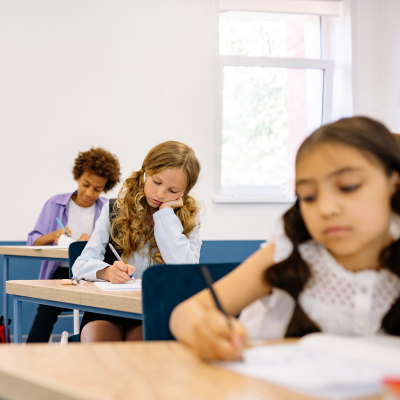
 At Allied BHI, we support healthcare providers as they guide families in understanding how to help a child who is restless in school when attention and behavior concerns affect learning. Many teachers first notice signs in the classroom, where students struggle to stay seated, follow instructions, or maintain focus during lessons.
Understanding how to help a child who is restless in school begins with recognizing that these behaviors are not intentional misbehavior, but often signs of underlying attention regulation challenges.
Understanding Classroom Restlessness and Focus Concerns
When discussing how to help a child who is restless in school, it’s important to first identify what restlessness looks like in a learning environment. Students may fidget constantly, talk excessively, leave their seats often, or have difficulty completing tasks without redirection.
Teachers may report that addressing these behaviors becomes essential once they begin affecting academic performance or classroom participation.
Why Restlessness Happens in School Settings
A key part of how to help a child who is restless in school is understanding the root causes. Children may struggle with attention regulation, impulse control, or sensory needs that make structured classroom environments challenging.
When exploring how to help a child who is restless in school, it’s important to remember that these behaviors often reflect developmental or behavioral health needs rather than lack of effort or motivation.
The Impact on Learning and Emotional Well-Being
Knowing how to help a child who is restless in school also means recognizing the emotional impact. Students who struggle with focus may fall behind academically, experience frustration, or develop low self-confidence over time.
When parents notice their child becoming discouraged or anxious about school performance, they often seek guidance on how to help a child who is restless in school to support their learning needs.
Supporting Children Through a Collaborative Approach
At Allied BHI, we emphasize a team-based model that helps providers and families better understand how to help a child who is restless in school through coordinated behavioral health support.
Our integrated care approach ensures that professionals can work together to identify concerns early and develop individualized strategies for success. Learning how to help a child who is restless in school becomes more effective when families, schools and care teams collaborate.
Practical Behavioral Health Strategies
One of the most effective ways to understand how to help a child who is restless in school is through structured behavioral support strategies. These may include routine building—helping a child develop consistent, predictable daily patterns that support focus, behavior and emotional regulation—classroom accommodations and positive reinforcement systems.
Families often seek guidance on how to help a child who is restless in school in order to better support attention, reduce frustration and improve classroom engagement.
The Importance of Early Intervention
Early action is critical when considering how to help a child who is restless in school, as timely support can improve long-term academic and emotional outcomes. Children who receive early behavioral health support often develop stronger coping skills and improved focus over time.
Understanding how to help a child who is restless in school early allows families and providers to intervene before challenges become more disruptive.
Moving Forward with Support: Let’s Get Started
If you are a healthcare provider wondering how to support your clients with a child who is restless in school, Allied BHI offers integrated behavioral health support to bridge medical and behavioral care.
At Allied BHI, we understand that attention and behavioral concerns can impact both learning and daily life in meaningful ways. By working alongside healthcare providers, we help ensure families receive coordinated, timely support that addresses these challenges with care and consistency. Our goal is to strengthen the connection between medical and behavioral health services so children can build confidence, improve focus and thrive in the classroom and beyond.
Ultimately, knowing how to help a child who is restless in school empowers families, schools and providers to work together to help children succeed academically, emotionally and socially. Contact us today to get started.